Center for Local
And Regional Governance

About Us

Established by the University of the Philippines (UP) and Congress as the Local Government Center in 1965, the Center for Local and Regional Governance (CLRG) is UP’s research, training and consulting center for local governments. The Center is a constituent unit of the National College of Public Administration and Governance (NCPAG) and subscribes to NCPAG’s paradigm of the healthy mix of theory and practice (praxis).

Backed by almost 6 decades of a solid track record in assisting and empowering local governments from learning to policy solutions, CLRG has pioneered initiatives and continues to evolve with the trends in the local government sector. Pursuing UP’s role as the nation’s social critic, CLRG helps inform and define the public discourse on decentralization and local governance issues.      

With resident experts from multidisciplinary backgrounds, CLRG has expanded its reach to federalism and regional autonomy studies and CSO/private sector-local government interface. Collaborating with respected affiliate faculty and industry experts, the Center continues to grow its pool of resource persons to better serve stakeholders.

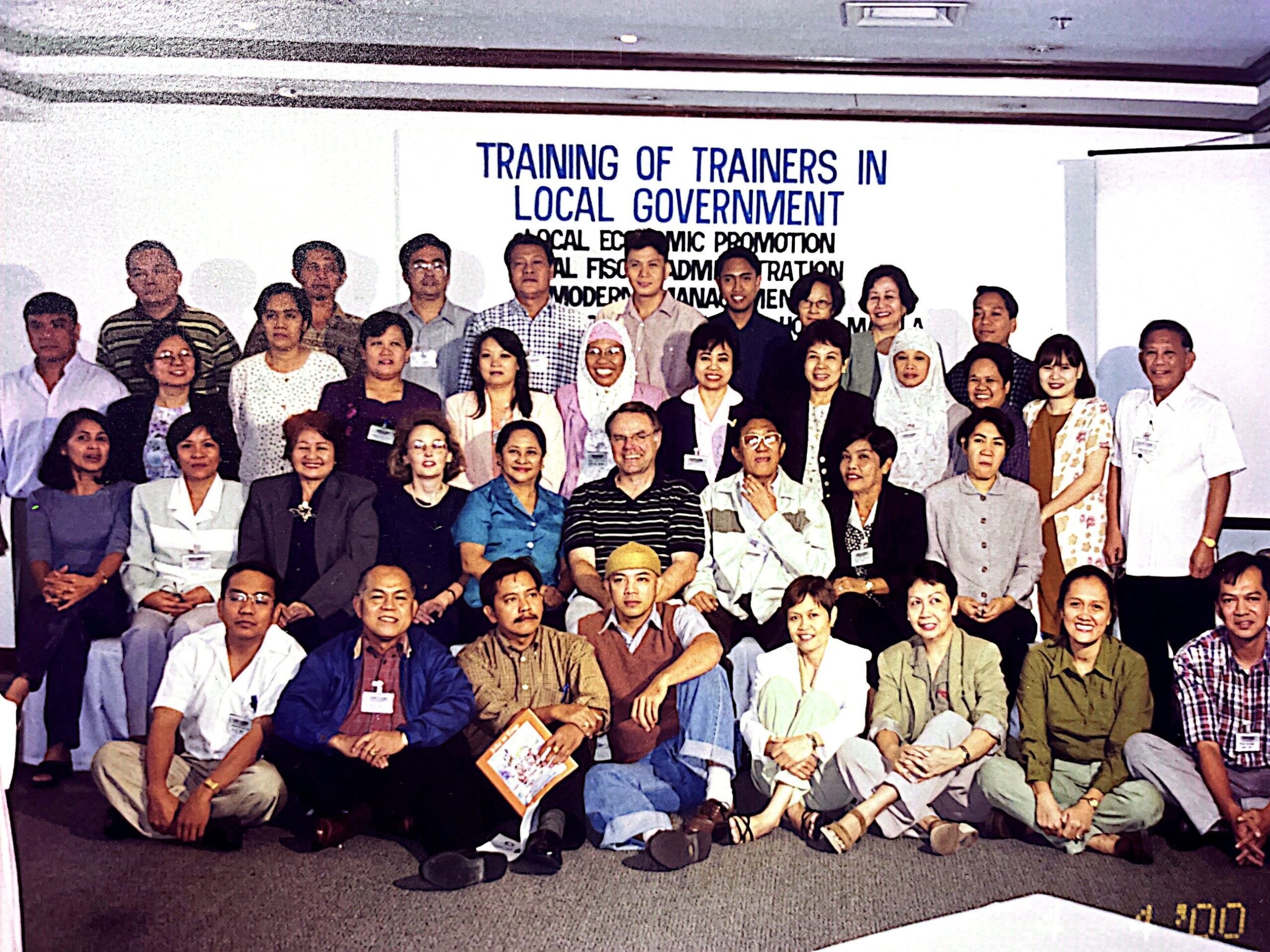
Today, at least 10,000 local government officials graduate from CLRG programs each electoral term while national government agencies, international donor organizations, CSOs, corporations, and individual local governments continue to engage the services of the Center.

Vision

Mission

Established
0
Publications
0
LGU Offcials Graduates
0 +

Our History

2020s
  • Past Director: Prof. Alicia B. Celestino (2020-2023)
  • Continues to be part of the SK National Steering Committee
  • Pilots e-learning through webinars as a mechanism in lieu of face-to-face learning in view of the COVID-19 pandemic
  • Conducts researches on risk communication, children at risk, women, drug prevention among youth, etc.
  • Launched new short course on strategic communications
  • Current Director: Asst. Prof. Reginald G. Ugaddan (2023-present)
2010s
  • CLRG develops tools for Streamlining BPLS, Integrity Development Review for LGUs and development, sustaining inter-local cooperation and citizen satisfaction surveys/assessments
  • Continuation of capacity building for barangay officials of Quezon City (HBDC)
  • More long-term and strategic partnerships with the local government associations (board members, vice mayors, young legislators)
  • Past Director: Remigio Ocenar (2011-2014)
  • Conducts researches on various local government concerns including climate change, risk reduction, inclusive local governance, youth and development, environmental management, protected area management, etc.
  • CLRG, representing the UP National College of Public Administration and Governance (UP-NCPAG), sits as member of the SK National Steering Committee based at the National Youth Commission
  • Pilots mandatory training programs for Sangguniang Kabataan
  • Continuation of capacity building programs on local legislation, executive development, barangay governance, etc.
  • Key member and contributor to LOGIN ASIA
  • Hosting of international programs with participants from Bhutan and Laos
  • Immediate Past Director: Erwin Gaspar Alampay (2014-2019)
2000s
  • CLRG convenes 2nd and 3rd International Conference on Decentralization
  • CLRG helps establish the Philippine Network for Local Government Training and Research Institutes in Asia and the Pacific (LOGOTRI-PhilNet)
  • CLRG also becomes the Asian Resource Center for Decentralization
  • Courses for local legislation open
  • Programs for NGOs and the private sector begins
  • CLRG helps develop the first generation of indicators for the Local Government Performance Measurement System (LGPMS)
  • Quezon City Government inks with CLRG a continuing capacity building program for its barangay officials (SBDC)
  • President Arroyo convenes constitutional commission to study federalism
  • CLRG convenes International Conference on Federalism and Multiculturalism
  • CLRG partners with Institute of Federalism-University of Fribourg, Switzerland for three years
  • CLRG provides inputs to Inter-Agency Panel on Federalism
  • Directors: Alex Brillantes Jr. and Simeon Ilago
  • Alex Brillantes Jr. becomes Dean of UP NCPAG
1990s
  • Republic Act 7160 - Local Government Code was enacted
  • DLGCD remade into the Department of the Interior and Local Government (DILG)
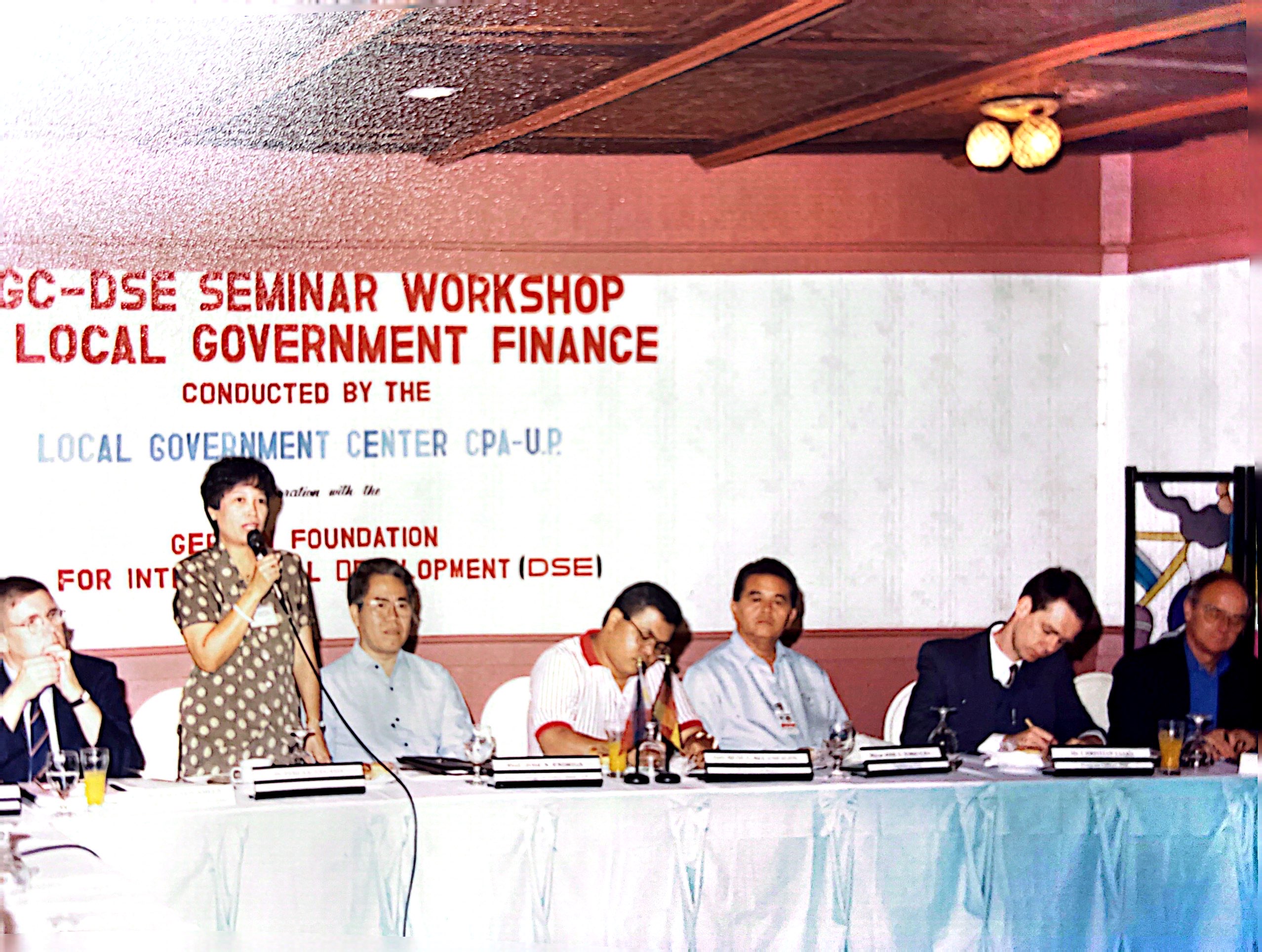
  • 10-year cooperation program with German Foundation for International Development (DSE) started
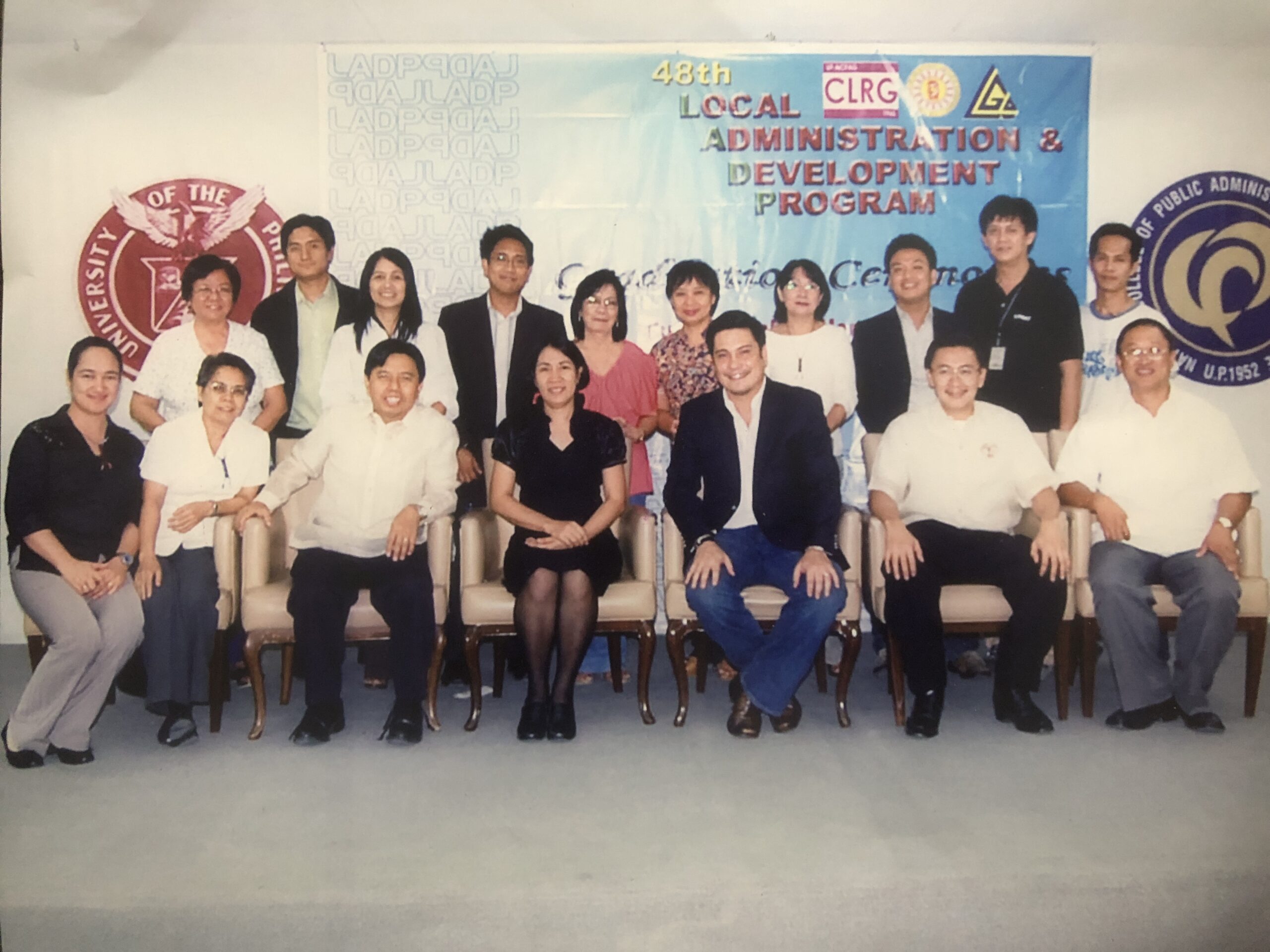
  • LADP becomes a joint program between LGC and the DILG’s Local Government Academy
  • LGC renamed as the Center for Local and Regional Governance (CLRG); College of Public Administration renamed as National College of Public Administration and Governance
  • LGC Directors: Alex Brillantes Jr., Nestor Pilar and Perla Legaspi
  • Tapales becomes dean of UP CPA
  • Brillantes appointed as Executive Director of Local Government Academy (LGA)-DILG
  • Proserpina Tapales appointed as first CLRG Director
  • Ledivina Cariño becomes first Dean of UP NCPAG
1980s
  • 1986 People Power Revolution
  • Rural development becomes focus of LGC projects
  • Local Resource Management (LRM) research project undertaken
  • LGC involved in the evaluation of rural roads
  • Three-year term for LGC directorship began
  • Directors: Ledivina Cariño, Romeo Ocampo and Perfecto Padilla
  • Cariño and Ocampo become Dean of UP CPA
  • Partnerships with The Asia Foundation, PIDS and the Ministry of Human Settlements
  • LGC transfers to UP Diliman campus together with the UP CPA
1970s
  • LGC worked with the UP Law Center’s Constitutional Revision Project and the Commission on Reorganization
  • LGC undertook pioneering studies on:
  • Felipe V. Oamar appointed as Director
  • Raul de Guzman becomes Dean of UP College of Public Administration (UP CPA)
  • Partnerships with DLGCD, USAID and Metro Manila Commission strengthened
  • International Union of Local Authorities (IULA) Congress held in the Philippines
1960s
  • Local Government Research Project (LGRP) started
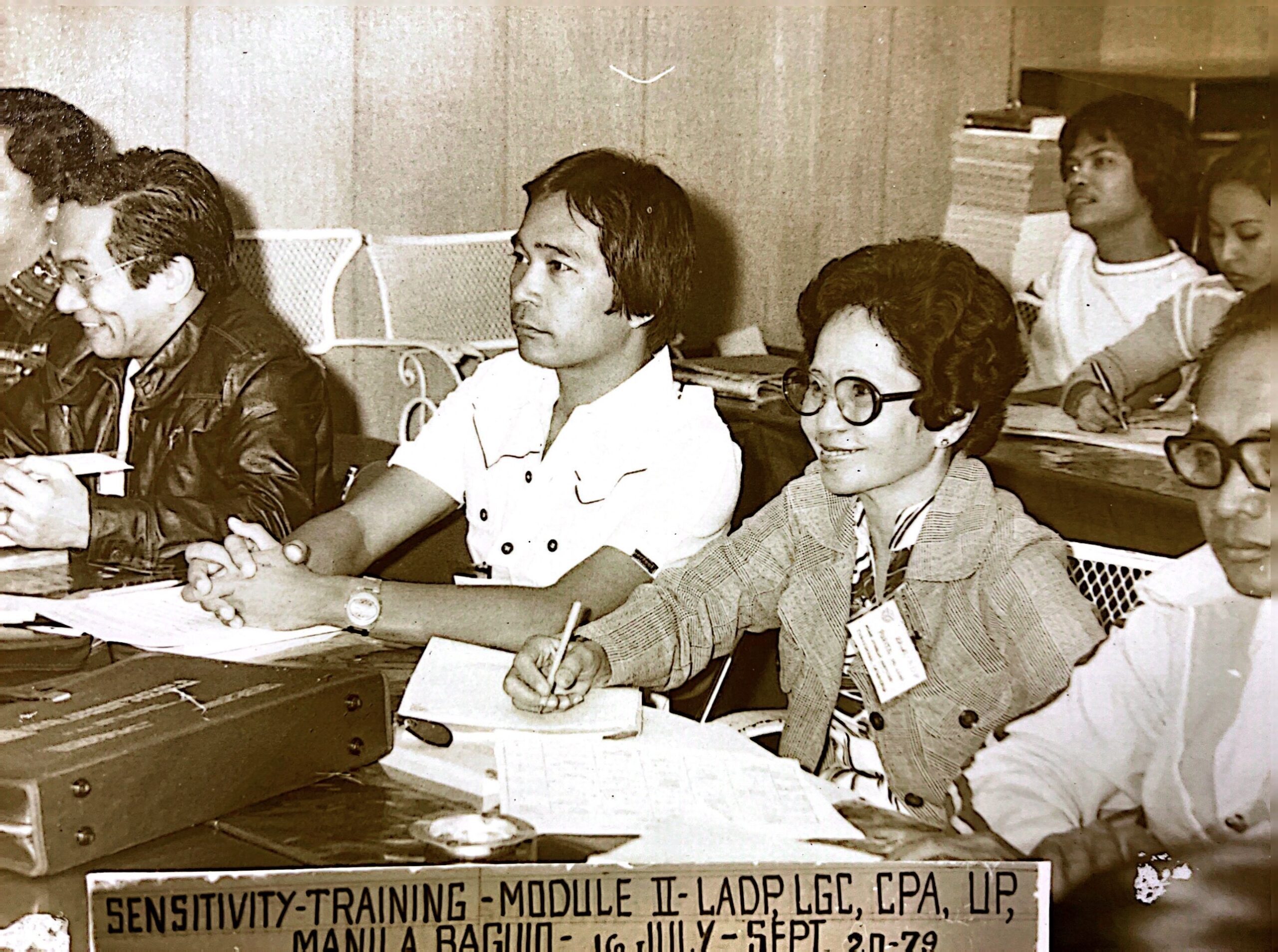
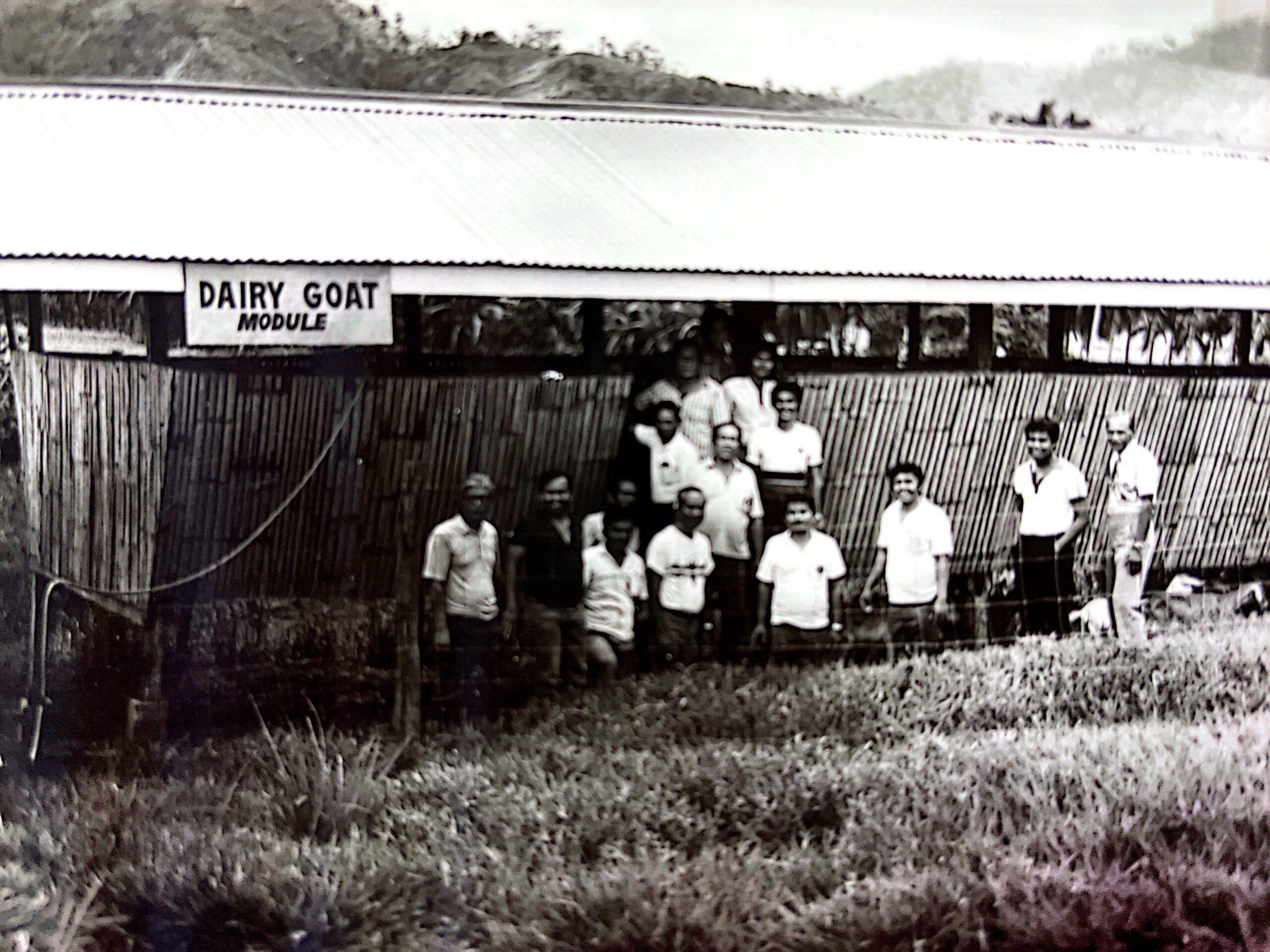
  • Local Government Center (LGC) established by U.P. Board of Regents with offices at Rizal Hall, UP Manila
  • Republic Act 4223 enacted to provide corporate and financial support to the LGC
  • Raul P. De Guzman appointed as Founding Director
  • Establishment of the Local Administration and Development Program (LADP)
  • The Local Government Bulletin publication began

What We Do

RESEARCH

Our researchers and knowledge community are dedicated to generating knowledge products that are used by students, practitioners and the general public. The articles, books, reports and working papers they produce are being constantly added to our growing library. Some of these can be accessed for free at the Asian Resource Center for Decentralization.

EXECUTIVE COURSE

We are developing an executive course designed to strengthen local governance skills for local government officials and staff. While this course is not available at this time, we are actively working on future offerings. Please check back for updates or subscribe to our newsletter to be notified of new programs and announcements.
CERTIFICATE COURSES

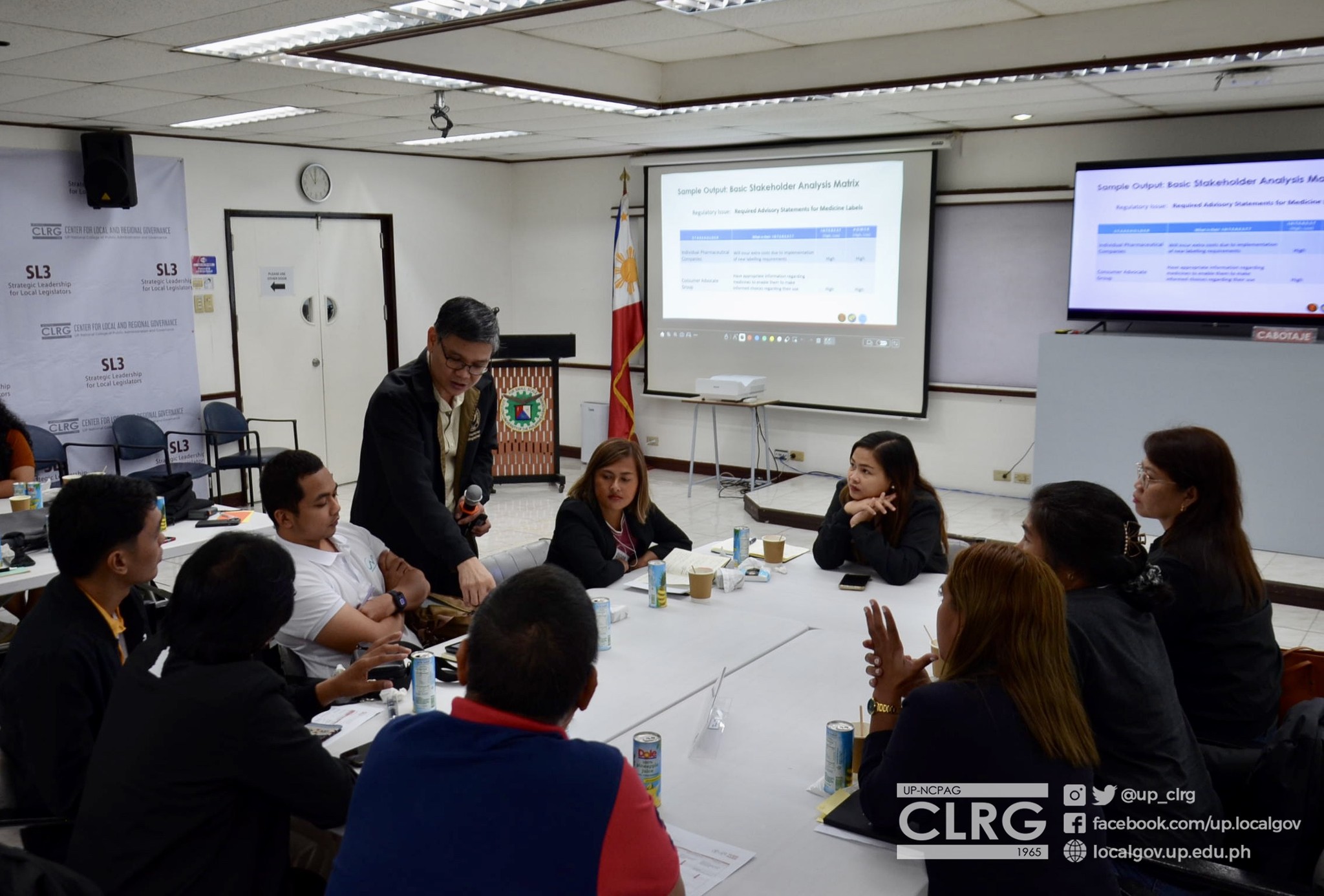
The knowledge and skills imparted in CLRG’s courses are based on lessons learned and best practices from the field. Course materials often include knowledge products from the Center’s research program. Our resource persons come from a pool of experts from the academe and practitioners. Our tutors and facilitators are trained in various methods to generate insights and learning from the coursework and collaborative exercises making it an enriching and unparalleled experience.

ADVISORY SERVICES​

Our work continues with assisting local governments in their specific needs for policy development, management reform, or documentation of best practices. Our long experience in research, training and collaborative work with local governments puts us in a unique position to present our clients with solutions learned from the field and processing the wealth of best practices.

TECHNICAL ASSISTANCE

The knowledge and skills imparted in CLRG’s courses are based on lessons learned and best practices from the field. Course materials often include knowledge products from the Center’s research program. Our resource persons come from a pool of experts from the academe and practitioners. Our tutors and facilitators are trained in various methods to generate insights and learning from the coursework and collaborative exercises making it an enriching and unparalleled experience.

SPECIAL PROJECTS

Our work continues with assisting local governments in their specific needs for policy development, management reform, or documentation of best practices. Our long experience in research, training and collaborative work with local governments puts us in a unique position to present our clients with solutions learned from the field and processing the wealth of best practices.

Policy Briefs

The Center for Local and Regional Governance (CLRG) Policy Brief is a collection of concise, evidence-based documents designed to help the government address specific policy challenges. All submissions must be grounded in and capture the unique local governance context of the Philippines. Intended for policymakers and public administrators at both the national and local government levels and other government stakeholders (e.g., national agencies, LGUs, and other stakeholders), the policy brief simplifies complex issues into a clear analysis and offers a research-based strategic perspective.

It provides practical, actionable recommendations aimed at strengthening local governance and promoting meaningful community participation through an integrated focus on enhancing governance and leadership, improving public service delivery, fostering community empowerment, and addressing vital cross-cutting issues critical to Philippine development. To guide contributors, submissions are encouraged to explore the following interconnected themes in the realm of local governance:

  • Governance and Leadership. This theme focuses on strengthening institutional capacity, leadership, and strategic decision-making. Submissions may focus on, but are not limited to, the following areas:
    • Responsive local governance
    • Decentralization and local autonomy
    • Fiscal management and local finance
    • Urban and regional development
    • Local legislation and policy development
    • Performance management and accountability
  • Public Service. This theme aims to improve access to essential services. Illustrative topics for exploration include:
    • Disaster resilience and climate action
    • Local health systems management
    • Education governance
    • Public order and safety
  • Community Empowerment. This theme promotes citizen engagement and the inclusion of marginalized groups. Potential areas of inquiry encompass:
    • Participatory governance mechanisms
    • Social inclusion and sectoral representation
    • Barangay-level justice and governance
    • Livelihood and local economic development
  • Cross-Cutting Themes. These themes are relevant across all areas of local governance and intersect with the other three areas of focus. Possible topics for submission are:
    • Digital transformation and SMART Cities
    • Environmental management

All submissions for the policy review should follow the format below and be between 2,000 and 3,000 words in length. This word count applies to the main body of the manuscript and excludes the reference list, appendices, author bio-sketch, and executive summary.

General Format

  • Submit manuscripts in MS Word (.doc or .docx) format only.
  • The text should be 12-point Times New Roman, double-spaced with a single margin. Use left alignment and indent the first line of each paragraph. Headings should be in bold and use proper capitalization. Maintain consistent heading levels throughout the document.
  • Tables, figures, and equations (if any):
    • Tables must be created and formatted directly in MS Word (not as images). Position tables within the text near where they are first referenced.
    • Figures (e.g., graphs, charts, illustrations) must be high-resolution (at least 300 dpi) and submitted in .jpg format. They should also be embedded within the text where appropriate.
    • Each table or figure must have a short, descriptive title and appropriate labels and headings. It should also be numbered sequentially.
    • Equations must be typed using the MS Word Equation Editor. Avoid using images or screenshots of equations. It should be displayed on a separate line when lengthy or complex.
  • Footnotes should appear on the same page when necessary. Indicate them in the text using superscript numbers.
  • Include a brief bio-sketch (2–3 sentences) on a separate page at the end of the manuscript, stating your full name, institutional affiliation, and email address or other contact information.
  • Use APA 7th edition citation style for all in-text citations and reference entries. The reference list must be double-spaced and use hanging indents.
  • Place any supplementary materials (e.g., raw data, tools, detailed case examples) in the Appendices section. Label each appendix clearly (e.g., Appendix A: Survey Questionnaire)
  • Others:
    • Add page numbers at the bottom center or bottom right of each page.
    • Use clear, concise, and professional language. Avoid unnecessary jargon. Define technical terms when first introduced.
    • Spell out acronyms upon first use, followed by the abbreviation in parentheses. Use abbreviations consistently thereafter.
    • Ensure that all hyperlinks are active and working.

Structural Elements

  • Title
    • A clear, concise, and informative title that reflects the focus of the policy review. The title should be both sticky and engaging to grab the reader’s attention and convey a core message, rather than using a more academic title from a comprehensive study.
  • Executive Summary
    • A succinct overview of the paper (200-300 words), covering a brief introductory sentence followed by bullet points about the core problem, the most important findings, and the main policy recommendations.
  • Main Body:
    • Background: This section provides the evidentiary basis for the brief by defining the policy problem. It presents a critical analysis of existing policy failures and their impacts, thereby substantiating the need for a new or revised policy approach.
    • Proposed Policy Options: This section focuses on the strategic choice of a solution, answering the key question, “What should be done?”. Its purpose is to present and evaluate high-level policy alternatives and provide a convincing argument for why one option is the most effective and appropriate path to address the problem.
    • Policy Recommendations: This section focuses on the practical application of the chosen policy option, answering the key question, “How to implement it?”. It details a feasible set of specific, actionable steps that various actors should take.
    • References
    • Basis of Analysis and Link to Research: This section transparently states the foundation of the brief’s analysis. The content will vary depending on the status of the research:
      • If based on a completed study, provide a precise reference and a hyperlink to the complete, in-depth policy study or research paper.
      • If based on ongoing research, mention the title of the research project and its expected completion date.
    • Appendices


The policy briefs should be submitted via email to clrgpolicybrief.upd@up.edu.ph. Use the following subject line format for your submission: “PB Submission: <Title of the Policy Brief>.”

Author Guidelines

All submissions for the CLRG Policy Briefs will undergo a desk review by the editorial team, followed by a double-anonymized peer review process. Policy Briefs should adhere to the following guidelines:

  • All accepted policy briefs will be published online, and the corresponding Volume and Issue numbers will be assigned.
  • Contributing authors are solely responsible for addressing all copyright and ownership issues related to the text, figures, data, and any other information included in their brief. Authors must ensure they have obtained all necessary permissions for any copyrighted material used.
  • The views and opinions expressed in this publication are solely those of the authors and do not necessarily reflect the official policy or position of the CLRG or the University of the Philippines.
Mainstreaming LGU Tobacco Control Program Funding through Strategic Budgeting
Protecting the Filipino Children in Time of COVID-19 Pandemic:  Some Risk-Mitigation Measures,
Gendered Approach to Local COVID Management in the Philippines
Risk Transfer Mechanisms: Charting a Strategy on Local Insurance,
Quezon City SK Profile and Perceived Youth Issues in the Community, Center for Local and Regional Governance
Integrated Risk Management Post-Conference Policy Brief, Center for Local and Regional Governance, n.d.
Meso-scale Insurance for Disaster Readiness and Recovery (MINDER) Project, Center for Local and Regional Governance, n.d.
Responding to El Niño: Lessons and Recommendations from the 2015-2016 Crisis
Philippines Cities’ Use of Social Media: A Quick Look at the LGUs’ Facebook and Twitter Activities, Center for Local and Regional Governance, n.d.
Asuncion, X., Santos, L. UGNAYAN Paper Series: Revisiting Policy Reform Areas for Effective Decentralization. (2023). Center for Local and Regional Governance.

Publications

Publication Type
Publication Type
Ugaddan, R., Park, S., Joaquin, M., Min, K. (2017). Do Reform Values Matter? Federal Worker Satisfaction and Turnover Intention at the Dawn of the Trump Presidency. American Review of Public Administration. 1–16.
Ugaddan, R., Park, S., Min, K. (2016). Is the creative tendency affected by organizational leadership and employee empowerment? An empirical analysis of US federal employees. Public Performance & Management Review. 40(2), 382-408.
Ugaddan, R., Agbabiaka, O. (2016). The Public Value Creation of eGovernment: A Test of the Respecified is Success Model. In System Sciences (HICSS), 2016 49th Hawaii International Conference. (pp. 2923-2932). IEEE. (2016). The Public Value Creation of eGovernment: A Test of the Respecified is Success Model.
Ugaddan, R., Min, K., Park, S. (2016). Is Employee Skill-Mission Match Affects Creative Tendency? A Focus on the Moderating Effects of HRM Practices. In Park, Sung Min (Ed.) Challenges and Tasks for Future Public Human Resource Development. International Association for Public Human Resource Development.
Ugaddan, R., Park, S. (2015). Human resource management for public organizations: An essential guide. Sungkyunkwan University Press.
Ugaddan, R., Meunluang, V. (2015). E-HRM to HRM Effectiveness Towards Organizational Performance in the Public Sector: The Case of Lao PDR. International Journal of Policy Studies. 6(2), 23-50.

Get In Touch With Us

Email: ncpag_clrg.upd@up.edu.ph
Landline: +632 8981 8500 local 4161

Top
About Us
VIsion & Mission
NCPAG Numbers
History
What We Do
Team
Publications
News & Announcements
Events
Contact us